The UK ecommerce market is highly competitive and evolving fast, and social media now plays a central role in helping brands capture attention, build engagement, and drive Ecommerce Social Media Conversions. Platforms like Instagram, TikTok, and Facebook have shifted from simple social networks into powerful shopping environments—where people can discover and buy products as they scroll.
From influencer collaborations to shoppable posts and Stories, every social interaction can support a purchase. That’s why learning to use these channels effectively is essential for ecommerce brands that want to stand out and win in the UK’s crowded online retail space—and in this post, we’ll break down the strategies to do it.
Importance of Social Media for Ecommerce Brands in the UK
To succeed in online shopping in the UK, businesses need to focus on social media first. The 2025 Sprout Social Index says that 81% of people make unplanned purchases each year because of social media.
In the UK, this trend is even stronger, with over 30% of shoppers saying that social media makes them buy things on impulse at least once a month. These numbers show that UK brands that don’t have a strong presence on social media are losing out on a key way for people to find their products in 2025.
More than just knowing about a product, customers are now using social media for their whole shopping experience, from learning about the product to buying it.
Better Brand Recognition and Awareness
For online stores in the UK, social media sites are great ways to get noticed and reach more people. There are more than 57 million people using social media in the UK, so businesses can connect with many different types of people.
Regularly sharing posts, using eye-catching images, and creating fun activities help brands stay fresh in people’s minds and bring in new customers. Social media helps brands share their story, values, and what makes them special in a clear way.
By using ads aimed at specific groups and working with influencers, online stores can connect with people who are likely to buy. This means more people visit the website, remember the brand better, and trust it more.
Connecting with Customers and Building Relationships
Social media helps UK online shopping brands create strong, two-way connections with their customers. Unlike regular ads, platforms like X, Instagram, and Facebook let people interact instantly through comments, messages, and live videos.
This quick communication allows brands to answer customer questions, get feedback, and fix problems fast, which improves customer happiness and loyalty. Also, user-made content like reviews, unboxing videos, and tagged photos helps create a feeling of community and trust for the brand.
Exciting stories and personal connections can make a company feel more friendly and trustworthy. For people in the UK, who appreciate clear information and quick replies, these online connections can affect what they decide to buy.
Over time, when a brand interacts with people on social media, casual followers become loyal fans who happily share and promote the products with their friends.
Affordable Marketing
Social media marketing is a cheap and effective way for online stores in the UK to promote themselves, especially when you compare it to traditional advertising methods. Platforms like Meta Ads Manager, TikTok Ads, and Pinterest Business help businesses create special advertising campaigns.
These campaigns can be aimed at specific people, use different budgets, and show clear results. By using careful audience targeting based on things like interests, location, age, and online activities, brands can find potential customers who are most likely to buy their products.
Creating interesting posts, stories, and videos helps get more people to notice your brand without spending a lot of money. Small and medium-sized online businesses in the UK can really take advantage of being affordable.
They can compete with bigger brands by being creative and using good strategies instead of spending a lot of money on ads. Also, social analytics tools show how well campaigns are doing, which helps brands improve their strategies and get the most return on investment.
Getting More Visitors to Your Store and Turning Them into Customers
Social media is very important for bringing visitors to online shopping sites in the UK. By adding product links, shopping posts, and buttons that prompt action, brands can easily direct users from social media to pages where they can buy.
For example, Instagram Shopping and Facebook Shops let customers look at and buy products right within the app, making it easier to shop. Eye-catching images, partnerships with popular influencers, and special limited-time deals encourage people to act quickly and click through.
UK brands using popular trends on TikTok or looking for ideas on Pinterest can attract steady visitors from very interested audiences. Also, customer reviews and real photos of users help people feel more confident and can lead to more sales.
Using tracking tools like Meta Pixel or Google Analytics, online stores can keep an eye on how customers shop and make changes to improve clicks and sales over time.
Trend Analysis and Market Insights
Social media gives UK online shopping brands a lot of useful information about customers right away. By keeping track of how people are interacting, their emotions, and popular subjects, brands can see what their audience likes and change their services to match.
Platforms like TikTok, Instagram, and X are where new trends in culture and shopping often start, helping early users get ahead. Social listening tools help brands monitor discussions about their products, competitors, and industry.
This helps them find areas where they can improve or new chances they can take. For UK stores, this information can help them decide how to develop products, set prices, and choose how to market them.
Also, performance analysis shows which campaigns get the most attention and sales, helping brands use their resources wisely. Using data helps UK ecommerce businesses stay flexible, focus on their customers, and keep up with changing market trends.
Also Read: Mastering LinkedIn Ads: How to Grow and Optimize at Scale
What Makes People Take Action on Social Media in the UK?
Being Authentic
People in the UK who use social media really like honesty and being real. They trust content created by users much more than content made by brands. Investing in gathering and hiring local creators to make user-generated content is a key way to build trust and encourage people to buy.
DMs are the New Way to Help Customers
UK brands are seeing more people contacting them through direct messages instead of emails. They are quickly becoming the most liked way to get in touch. The study shows that 73% of social media users will quickly switch to another brand if the current one doesn’t reply within 24 hours. This gets to the heart of an important change in online shopping: social media is now the main way people communicate online.
Your New Storefront
Shoppers now want social media shopping to work smoothly. They don’t want the trouble of switching between online shops and social media apps. They want to buy something right on the website and keep looking around.
Different Buying Patterns
This new social-first approach changes how people shop online. Unlike when searching on the web, people in the UK usually think carefully about their buying choices on social media before they make a purchase.
The journey is less focused because it usually starts when they are scrolling and not paying attention. They find things, keep looking, find them again, do it over and over, and finally buy something. You should consider that in your social media marketing plan.
Make Buying Simple or You’ll Lose Customers
More and more users want to make purchases within the app, so it’s important to have easy ways for them to buy things. Social media is adding more tools to make shopping easier.
Shoppable posts, story buttons that encourage action, and other social shopping features let users stay on the platform. Successful brands are using social shopping features and are putting money into tools that help track and interact with customers.
Best Social Media Platforms for Ecommerce in the UK
It is very popular with young people, like millennials and Gen Z. It is a great place for finding new products and making sales.
UK usage statistics:
- As of early 2025, there were 33.4 million users of Instagram in the UK.
- 81.2% of people aged 18 to 34 use the network.
- The number of people who see ads increased by nearly 1 million from October 2024 to January 2025.
Best formats to convert:
- Reels
- Shopping posts
- Story swipe-ups
- Product tags
- User-generated content with clear action steps
TikTok
The favorite app for Gen Z is TikTok, which helps people make quick buying decisions with short videos and popular trends. It works really well for selling everyday products that people buy often.
UK usage statistics:
- As of January 2025, TikTok had 24.8 million users who were 18 years old or older.
- 74% of people aged 18 to 24 who are online use the network.
- People aged 18 to 24 use the platform for about 64 minutes each day.
Best formats to convert:
- TikTok Live shopping events
- Link in bio calls to action
- User-generated content with links to the TikTok Shop
The network has a strong group of users who are baby boomers, Gen X, and older millennials. This makes it a great place to sell expensive items because these people tend to have more money to spend.
UK usage statistics:
- In early 2025, Facebook had 38.3 million users in the United Kingdom. That’s 64.6% of British people who are over 13 years old.
- The number of people seeing ads went up by 1.2 million in 2024.
- Users who are 18 to 24 years old spend about 15 minutes a day on the platform, while the average time spent by all users is 39 minutes.
Best formats to convert:
- Carousel ads with item tags
- Facebook Stories with links you can swipe up to (using Meta Ads or Shopping)
- Content made by creators with clear CTAs
X (previously Twitter)
X offers a special benefit for brands, especially those that mainly focus on men. Although its social shopping tools are still changing, it is still very good for certain ways to get sales.
UK usage statistics:
- X has 22.9 million users in the UK, which is about one in three people.
- Most of the users are men, making up 65.8%, while women make up 34.2%.
- The number of people who see ads went down by 2.73 million from early 2024 to early 2025, and by 1.14 million from October 2024 to January 2025.
Best formats to convert:
- Product releases with eye-catching images and links to buy
- Shoutouts or reviews from creators or influencers that mention products with tags
- Pinned posts with calls to action
YouTube
Detailed reviews, unboxing videos, or how-to guides help people make more thoughtful buying decisions. YouTube now has features that allow people to shop directly on the platform.
UK usage statistics:
- YouTube has 54.8 million users in the UK, which is 79% of all the people.
- In May 2024, 94% of adults in the UK used the network, making it the most popular social media site there.
Best formats to convert:
- Shorts and videos with product tags
- Influencer reviews or unboxing videos with calls to action in the descriptions or pinned comments
- A guide or instructions showing products with direct links
Strategies for a Successful Social Campaign for Your Online Store
Creating a successful social campaign for your online store in the UK means having a special plan that fits what UK customers like and are interested in. Here are the important steps:
Define a Specific Goal for Conversion
First, clearly define what you want to achieve at each step of the process. Create early content to grab attention, while later content should encourage people to take actions, like adding items to the cart or providing email addresses.
There are various tools that can help you reach your conversion goals. For example, the tagging tool makes it easier to track how well content is doing. Just label your content to help you sort it and track your progress towards different goals. Planners will help you decide what you want to achieve before creating your campaign plan.
Connect Your Content and Goal
Now that you know what you want to achieve, plan your content to help you reach those goals. This means picking the right formats, adjusting your message, and making content that encourages users to take action. Here are effective types of content and formats that have been shown to increase conversions for various goals.
Goal: Get more people to visit your website
- Link-sticker Stories
- Reels with links in the bio call to action
- Carousel posts
TikTok
- Videos with call-to-action overlays
- Link in bio ads
- Getting people to comment
- Share posts that have clear titles and pictures
- Carousel ads that connect to blogs or other websites
- Group posts that share special deals
Goal: Increase sales
- Shoppable Stories and posts
- Listings on Instagram Shop
- Product promotion Reels
TikTok
- TikTok Shop product demonstrations
- Live shopping events
- Before and after videos
- Facebook Shop listings with checkout in the app
- Marketplace product listings
- Live shopping events or question and answer sessions
Goal: Get leads
- Stories that share special deals
- CTA Reels
- Content you can access through a link in the bio
TikTok
- Lead magnet videos
- Calls to action in captions
- Sign-ups using the link in bio
- Ads that help find new customers and include forms to fill out
- Contest or giveaway posts that need you to sign up
- Posts that connect to locked content or email updates
Goal: Get more followers
- Reels using trending music and hashtags
- Working together with influencers or brand partners
- Hashtag challenges
- Commission UGC
TikTok
- Popular trend videos
- Working together with popular creators
- Fun challenges that invite people to join in
- Giveaways where you have to like and share the page
- Content that links back to Marketplace
- Easy DMs
Change how your content looks for each social media platform, but make sure your brand’s voice and style stay the same everywhere. Your audience probably follows you on different platforms. A strong strategy makes sure that your audience can easily recognize your online store, no matter where they see it.
Plan, Test, and Refine as Needed
Now that you have your plan ready and added good, relevant content to your pipeline, it’s time to start sharing it. To be most effective, you should clearly identify what your audience likes the most.
Keep in mind that each audience is unique, and basic demographic information is only a beginning. You need to keep tracking, testing, and improving to find out what works best for each group of people.
First, find out when your audience is online so you can reach more people. Use tools to automatically schedule your posts for the most reach. Next, see which posts and times get the best results. This information helps you quickly share what is going well and what needs to get better.
Also Read: The Complete Guide to Maximizing Social Media ROI Across Platforms
What are the Most Important Metrics for Online Shopping Success?
Engagement Rates
In the awareness stage, how much people interact with a brand shows how interested they are. High engagement, like likes, shares, comments, and saves, shows that people are enjoying your content and that potential customers are interested.
How to calculate engagement rate?
(Total Engagements ÷ Total Impressions) × 100
Click-Through Rate
A high CTR means people are really interested in your content. You might have done a good job with your calls to action, pictures, or videos. No matter what it is, it connects well with the people you want to reach. A low CTR means that people aren’t finding your content interesting, so it needs to be changed.
How to calculate CTR?
(Total Clicks ÷ Total Impressions) × 100
Growth Rate of Followers
The follower growth rate is an easy way to see how fast you’re gaining new followers. Some people think that the number of followers is not that important, but it can still help build trust.
How to calculate growth rate?
((New followers – Regular followers) ÷ Regular followers) × 100
Cost Per Click
CPC shows how much money you spend to get people to click on your ad. It’s also a way to get a helpful idea about things that are harder to measure. If your CPC is high, it might mean that people don’t know your brand well or don’t trust it enough.
How to calculate CPC?
Total money spent on ads ÷ Total number of clicks
Average Response Time
This is an important metric to understand. The Index says that 73% of people who use social media will go to a different brand if they don’t get a response within 24 hours. UK users will quickly lose interest if you don’t respond to direct messages quickly.
Check this metric regularly and work out your team’s average response time to help you keep track of it. Let your team know why this measurement is important and set clear goals for how quickly they should respond.
How to calculate average reply time?
Total time spent answering all messages ÷ The number of messages answered
Revenue Attribution
The best way to measure how well social media helps with online sales is by looking at how much money is made from it. Being able to directly connect specific marketing efforts to the money made is a big improvement, but it needs the right tools.
With the right tool, you can see how much your social media is worth. This helps you find out which types of content or campaigns are actually working.
5 Effective Social Media Strategies Used by Ecommerce Brands in the UK
Next
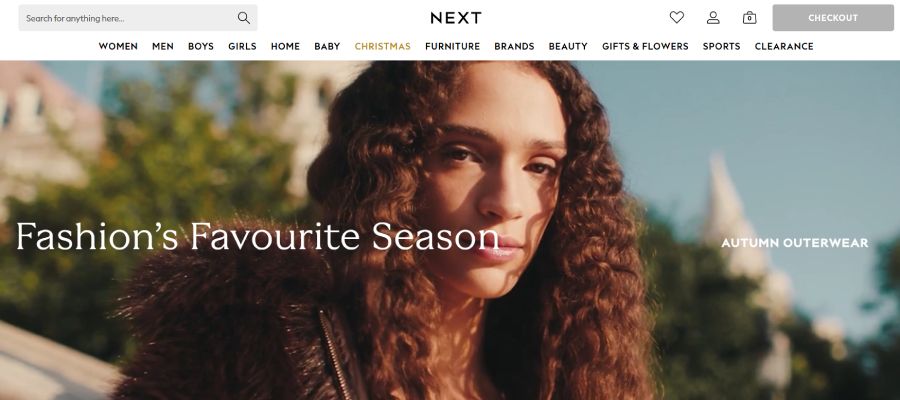
Next has recognized the growth of social shopping and has connected its online shopping site with Facebook and Instagram. This integration lets shoppers easily look at products, see if they are in stock, and buy them directly on the platform.
The brand really cares about connecting with customers. Next quickly replies to comments and messages, which helps boost sales a lot. Having shopping options on the platform, great customer service, and connecting with users is a successful social media strategy.
ASOS
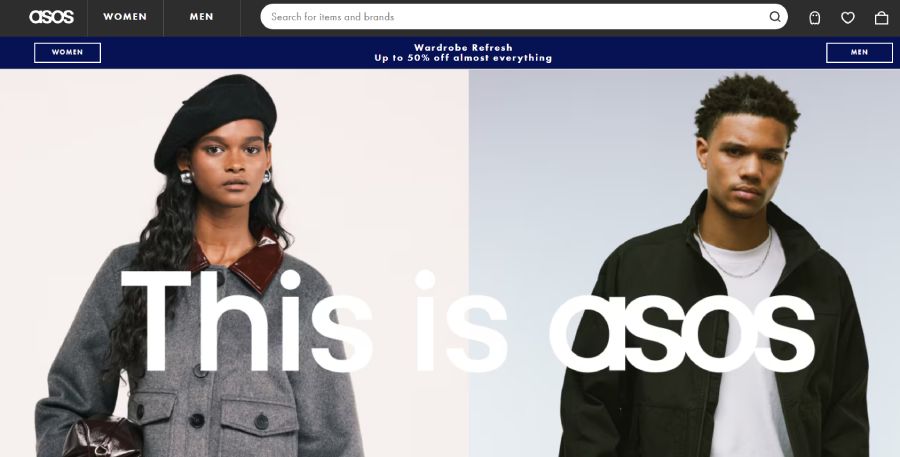
ASOS tries to attract young, tech-friendly Gen Z by using a smart social media plan. The brand shares lively videos that showcase its products and give helpful tips to inspire viewers.
By using popular hashtags that people share a lot, ASOS grabs the attention of younger shoppers and turns their interest into sales with easy shopping options. ASOS has a popular hashtag called #AsSeenOnMe that helps them get lots of customer photos. This gives them free advertising for their brand.
Marks & Spencer
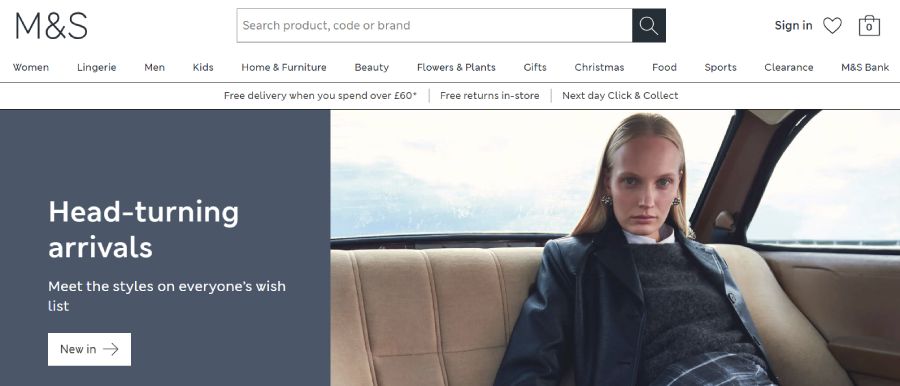
Marks & Spencer uses social media to update its traditional image and reach younger people. Their plan is to tell stories using lifestyle posts, eco-friendly projects, and recipe videos on Instagram and TikTok.
They use content made by users, work with influencers, and create posts that you can shop from to encourage people to make purchases straight from social media.
M&S listens to what customers are saying to understand their likes and dislikes. This helps them make quick changes to their marketing campaigns and improves how they connect with customers online.
JD Sports
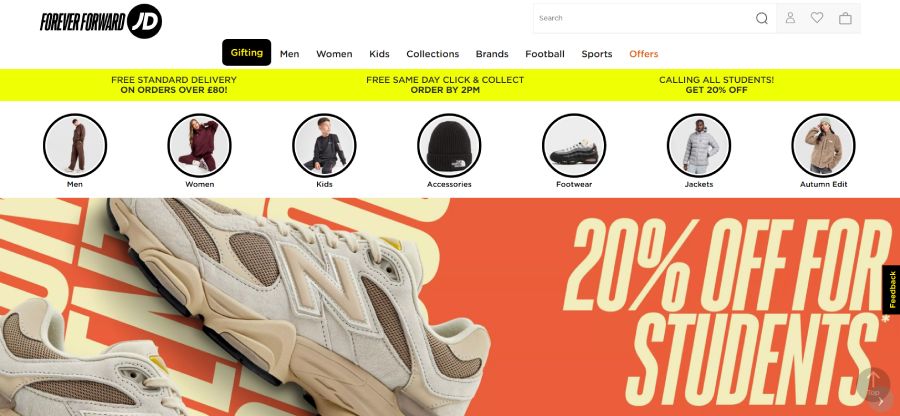
JD Sports uses partnerships with influencers and endorsements from athletes to stay popular with young people. Their TikTok and Instagram campaigns show streetwear fashion and special sneaker releases using fun short videos.
They turn followers into customers by mixing fun activities with showcasing their products. The brand uses fun features like challenges, polls, and giveaways to get people involved. These features are connected to its online store, making it easy for customers to buy right away.
The Body Shop
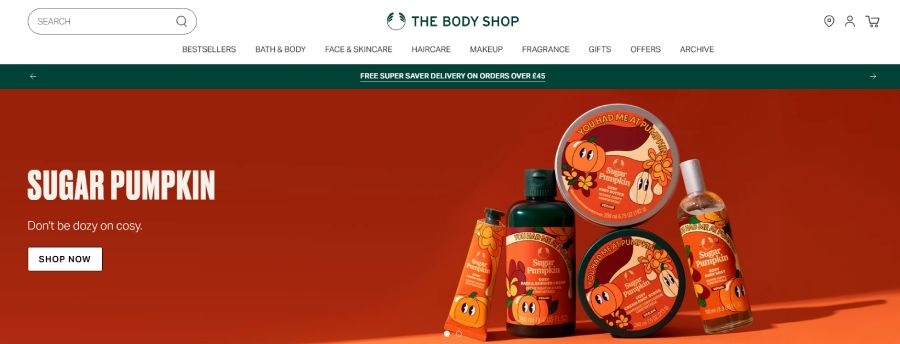
The Body Shop combines social responsibility with its business on its social media. Their plan is to tell stories that highlight important topics like ethical sourcing, taking care of the environment, and activism.
They use Instagram Reels and campaigns like #TimeToCare to get people involved in their community, while also connecting their products to important issues. Working with eco-friendly influencers helps show that their brand is genuine and committed to its values.
The Body Shop creates strong emotional ties by connecting social good with advertising their products. This helps them keep customers loyal and encourages people to shop online with them again.
Final Thoughts
Social media has changed how people in the UK shop, making it easier to find ideas and buy things right away. For online stores, doing well now means knowing how to turn customer interest into real sales.
This can be done through genuine stories, working with influencers, or using ads that fit the platform. The best brands see social media as more than just a way to advertise.
They view it as a lively sales network that is fueled by community and creativity.
By looking at performance data, adjusting to new trends, and building real relationships with customers, UK shops can turn likes and views into loyal buyers. As people increasingly look for convenience and real experiences, using social media will be key to growing ecommerce successfully.
Social media is more than just a way to advertise; it connects online interactions with actual sales, shaping the future of online shopping in the UK. Start looking at social media through a different lens to make the most of it.
FAQs
Why is it difficult to make people convert on social media?
In the UK, consumers see thousands of ads every day, which makes it difficult to get their attention. Changes in algorithms can reduce how many people see organic posts, making brands spend more money on paid ads. Also, landing pages that aren’t set up well or complicated checkout steps can cause many people to leave before completing their purchase.
What do influencers do to help more people convert?
They play an important role in connecting brands and customers. People in the UK usually trust what influencers say more than regular ads, especially when the messages seem real and personal. Micro- and nano-influencers usually get better results because they have specific audiences and are seen as trustworthy. Working with creators who share the same values as a brand helps online shopping companies connect better with customers, and boost sales.
Which social media sites help get more conversions in the UK?
Instagram and Facebook are the best at helping online shopping because they focus on pictures and have good shopping features. TikTok is quickly becoming a popular place for buying things, especially for younger shoppers who like real and short videos. They help people decide what to buy by offering inspiration and reviews. Picking the best combination relies on who you want to reach, what type of product you have, and the kind of content that your audience likes the most.
How important is content created by users for ecommerce?
It is a great way to increase sales. When people post real photos or reviews, it makes things more genuine and shows others that the product is good. This really helps people in the UK decide what to buy. Asking customers to mention the brand or use special hashtags helps gather real and relatable content. Sharing UGC helps build connections in the community and invites more people to get involved.
How can small online stores compete with bigger retailers on social media?
Smaller online stores can compete by being authentic, targeting specific groups of people, and being creative instead of spending a lot on ads. By creating close online groups and connecting directly with their fans, they can build loyalty and trust. Using small influencers, doing local campaigns, and showing behind-the-scenes content can help set them apart from larger companies. The main idea is to be consistent and know what your audience likes.