
Starting a blog is fun, but the tough part is keeping your readers interested. In a digital world full of content, your words should do more than just be there, they should connect with people, grab their attention, and leave an impression.
No matter if you’re writing about travel, technology, food, or self-improvement, making interesting content is what makes a blog successful instead of being forgotten online. Don’t worry, you don’t have to be a great writer for people to care about what you say.
To create engaging blog content, you need to understand who your audience is, make appealing titles, share true stories, and provide something useful in every post. This post will show you the necessary steps to turn your ideas into blog posts that people will enjoy reading and want to come back to.
8 Tips to Create Engaging Blog Content for Beginners
Knowing Your Audience
Before you begin writing, it’s important to know who will be reading your work. Understanding what they like, their troubles, and what they prefer will help you make content that connects with them.
A good blog post that talks about the right topic is more likely to be read, shared, and appreciated. Take some time to learn about your readers to make sure your blog posts meet what they want.
- Identify who your readers are: Think about things like their age, what they like, and the difficulties they face.
- Find out what topics interest them: Use websites like Google Trends, Reddit, and Quora.
- Find missing pieces in current content: Look for chances to share new ideas.
Listen to what readers say: Their comments and messages on social media can help you plan your content.
Picking the Right Subjects
A good blog begins with a good subject. Choosing interesting topics will make your posts more engaging and useful for your readers.
It’s important to create content that helps solve problems, answers frequently asked questions, and matches what people are currently talking about. If you use the right method, you’ll always think of new ideas to write about.
- Fix a problem: Help answer questions or problems that people usually have.
- Research your keywords: Tools like Ahrefs and Google Keyword Planner can help find popular topics.
- Study competitors: Look at what other successful blogs in your area are doing and make it your own.
- Be informed: Stay updated on news and trends in your field to make your content relevant.
Also Read: Why Content Marketing Should be the Cornerstone of Your Digital Marketing Strategy?
Organizing Your Blog Post
A well-organized blog post makes it easier to read and keeps readers interested. When content is set up well, it’s easier to read quickly, understand, and come back to later. Dividing your blog into easy-to-understand parts keeps your readers engaged from beginning to end. If you stick to a good plan, your writing will be easier to read.
- Create an interesting headline: Make people curious and show how they will benefit. Write a good introduction: Start with an interesting opening sentence to grab the readers’ attention.
- Add subheadings: Keep your writing organized by using subheadings. This helps readers find information quickly and easily.
- Make paragraphs short: Use two or three sentences for each one.
Creating Interesting Content
How you write is very important for keeping readers engaged. Interesting content feels friendly, easy to understand, and provides useful information. Instead of just giving information, try to connect with your audience. This will motivate them to keep reading and come back for more.
- Be conversational: Keep it casual and friendly.
- Show it instead of just saying it: Use examples, stories, and your own experiences.
- Make content easy to use: Give clear instructions, checklists, and important points.
- Make it simple and to the point: Don’t add extra words, just say what you need to say.
Optimizing for Search Engines
SEO makes your content show up better on search engines, helping more people see it. Making your blog better for SEO helps your intended readers find your posts easily. By making a few smart changes, your content will be more likely to show up in results pages and attract more visitors for free.
- Use keywords in a natural way: Include them in the title, headings, and in the text.
- Create catchy meta descriptions: Give a brief and interesting summary of your post to encourage more people to click on it.
- Add links inside your site and to other websites: Connect to related topics and trustworthy sources to improve your credibility.
- Make your writing easier to read: Use tools like Hemingway Editor or Grammarly to help you improve it.
Keeping Readers Interested
Getting people to visit your blog is only part of the challenge, keeping them interested is just as important. If your audience likes what you create, they’re more likely to stick around, share it, and come back for more. Using engagement strategies will help you create loyal readers and encourage them to interact with you.
- Get people talking: Ask questions and invite them to share their thoughts.
- Skim the content: Make important points bold, use bullet lists, and keep paragraphs short.
- Use stories: Sharing personal experiences and examples that others can relate to makes your content more interesting.
- Make your content look good: Use pictures, charts, and videos to make the text easier to read.
Sharing Your Blog
Even the greatest content needs to be shared to reach more people. Sharing your posts smartly helps people notice your hard work. By using various websites and marketing methods, you can bring more people to your blog and increase the number of readers.
- Post on social media: Use interesting captions and hashtags that fit the topic to get more people to click.
- Use email marketing: Send out newsletters with your newest posts.
- Join online groups: Share helpful information in discussions and include links to your content.
- Work with other bloggers: Writing guest posts and teaming up can help you reach more people.
Following Progress and Getting Better
Keeping an eye on how your blog is doing is important for it to grow. Knowing what is good and what isn’t will help you improve your content plan. By looking at your data, you can make smart choices to get more people interested, attract more visitors, and write even better blog posts.
- Use Google Analytics: Check how visitors act, how many leave right away, and how involved they are.
- Look at social media shares: Find out which posts your audience likes the most.
- Pay attention to what people say: Change your content based on what your readers think and suggest.
- Try out different types of content: Use long articles, lists, and guides to find out what works best.
Also Read: 7 Killer Tricks to Repurpose Your Content and Optimize Your SEO Strategy
Creating Engaging Content for Different Platforms
WordPress.org
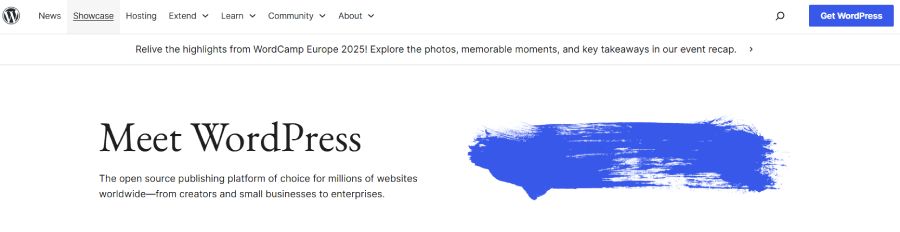
WordPress.org allows bloggers to easily make interesting content because it is a self-hosted platform. To get the best results, begin by installing a good quality theme that is easy to read and looks organized.
Use plugins like Yoast SEO to improve your writing, and use Elementor or Gutenberg blocks to organize your posts with eye-catching images, headings, and calls to action. WordPress lets you add videos, podcasts, and interactive elements to your posts, making them more interesting and varied.
Make paragraphs short and use bullet points or quotes to keep the reader interested. The main point is to know who you are writing for and to help them with clear and useful words.
Since you have full control over your blog, try out different styles, titles, and images to find out what works best. WordPress encourages trying new things, so be creative, genuine, and consistent to make sure your readers return.
Blogger
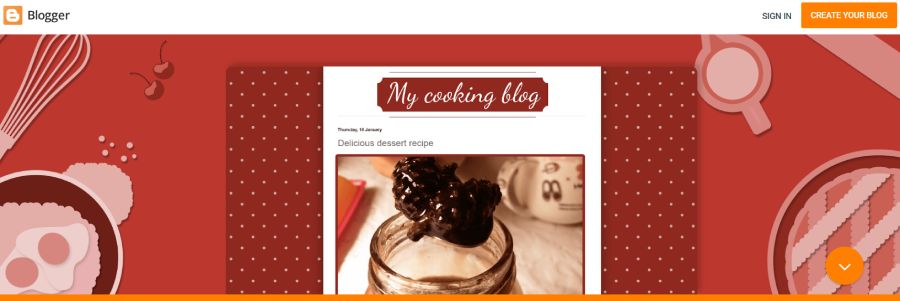
Blogger is a user-friendly way to create content, but it doesn’t have some of the advanced features that other platforms offer. To make interesting content here, keep it simple and easy to read.
Pick a clean and modern template that doesn’t have too many ads or distractions on the page. Use Blogger’s easy tools to add headings, bullet points, and pictures to make your posts look nice. You can change some things, but not as much as WordPress.
However, you can still edit the HTML to adjust the layout or add videos. Focus on writing content that connects with your audience. Start with an engaging opening, talk directly to the reader, and keep it brief.
Since Blogger works with Google, try using Google Forms, Maps, or Charts to make your posts better. You don’t need fancy tools to make your blog stand out. Good stories, your unique style, and clear messages will help people remember it.
Medium
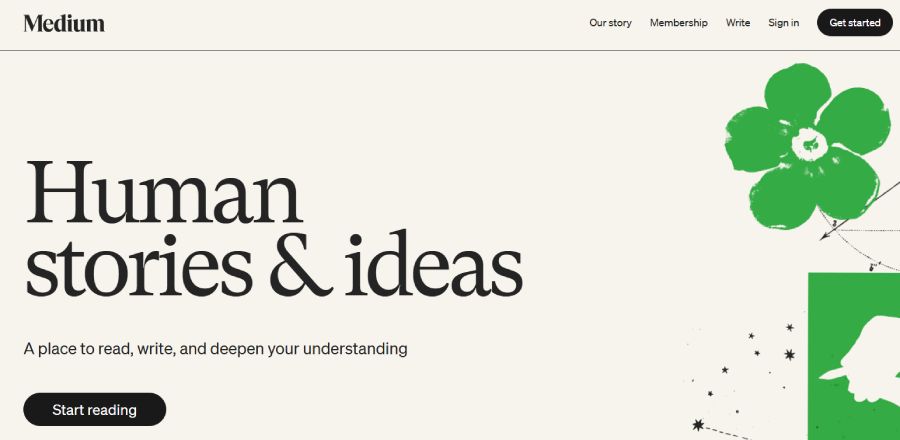
Medium is focused on clear and simple reading, so your words stand out. The platform’s simple editor lets you focus on writing interesting and important content without being distracted by formatting issues.
Begin with an interesting title that grabs attention or offers something useful. First, start with an introduction that creates emotions or asks an interesting question. Medium readers appreciate detailed and original content, so make sure to tell good stories, be clear, and share thoughtful ideas.
Make your text easier to read by using headings. Only include a few pictures that help explain your message, not ones that take attention away from it. The audience and clap feature on Medium also encourage good writing and honest viewpoints.
Connect with readers by including questions or asking for their thoughts at the end of your posts. The main point on Medium is not fancy features, it’s about real content. Be truthful, present your ideas clearly, and your work will attract readers on its own.
Wix
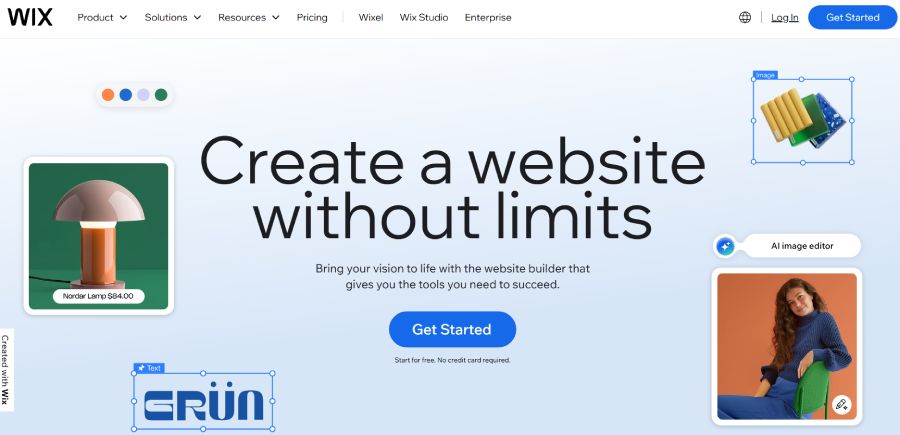
Wix is great for bloggers who want to combine interesting writing with good-looking design. You can easily create nice blog layouts by dragging and dropping things, without needing to write any code.
To make interesting content on Wix, pay attention to what you say and how it looks.
Headings will make it easier to find information. Stylized text boxes can highlight important points and make the page look nice.
Well-placed images or videos can help explain your points and keep readers interested.
By using these tips, you can make long texts more enjoyable to read. Use Wix’s blog post editor to easily add galleries, social media feeds, and animations to make your posts more engaging for readers.
Start each post with a clear introduction, follow it with the main content, and end with a conclusion. Wix makes it simple to add sign-up forms and buttons for CTAs, so you can always encourage your readers to engage. With Wix, great design works well with clear messages.
Substack
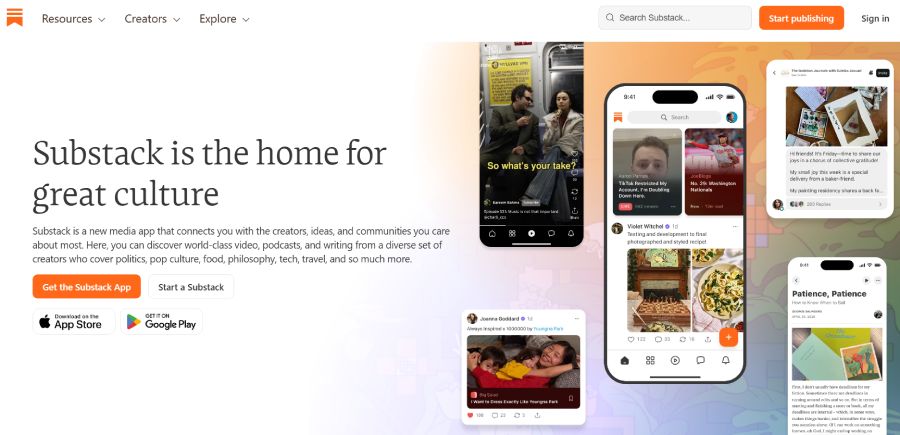
Substack is great for bloggers who want to connect with their readers through email newsletters. To make interesting posts on Substack, focus on being friendly and clear. Write like you’re talking to a friend, people love a friendly tone, your thoughts, and good stories on Substack.
Your email subject line should quickly show its importance or spark interest to increase how many people open it. When readers start, they should feel interested right away and easily follow the post like a friendly chat.
Use simple formatting like bold text, links, short paragraphs, and space between lines to make reading easy. Substack doesn’t have many fancy designs, so your writing has to be really meaningful or interesting.
Talk about your experiences, share your thoughts, and finish with a question or a CTA that encourages people to respond. Since Substack focuses on email, prioritize building a community and making connections instead of worrying about rankings or website traffic.
To Conclude
Making interesting content isn’t about being flawless, it’s about having a clear goal. If you’re new to blogging, you should work on gaining people’s trust, providing useful information, and writing in a way that feels true to you.
Every post gives us a chance to learn, meet others, and improve. People like blogs that talk to them, help with their problems, or make them feel something. So, pay attention to your headlines, start with something interesting, and write in a clear and friendly way.
Add pictures, make your posts easy to read, and encourage your audience to interact, like by commenting, sharing, or subscribing. The more you write, the better you will become. Don’t worry about hitting publish, even if you’re still figuring out your style.
Good blogging is a process, and the first thing you need to do is learn how to write interesting content. Keep coming up with unique content, and your readers will come back to engage with your content.
FAQs
How can I find out what my audience likes to read?
Knowing your audience is important for making content they find interesting. Begin by figuring out who you want to reach with your writing. Consider their age, what they like, what problems they face, and what they want to achieve. Look at comments on similar blogs, use tools like Google Trends, or ask your audience directly through social media or email surveys.
Do I have to write really well to keep people interested?
Not at all. The goal isn’t to be perfect, it’s to make a connection. The most important thing is to write in a clear and real way that feels like it comes from a person and makes sense to others. Your grammar and spelling should be good, but readers care more about the helpfulness and personality you add to your post. Don’t be scared to talk about what you’ve been through, what you think, or even the times you’ve messed up.
How long should my blog posts be to keep readers interested?
There isn’t a specific number of words that makes a blog post great, but most interesting ones are usually between 800 and 1,500 words long. Shorter posts (500–800 words) are good for quick tips, while longer posts (over 2,000 words) are better for detailed guides or lessons. The important part is to make the length suitable for what you want to achieve. If you give useful information and make your writing clear and easy to read, readers will stick around, no matter how long it is.
How can I get readers to leave comments or share my blog posts?
Finish your posts with a clear request for action, ask a question, invite thoughts, or encourage readers to share their stories. Make it simple to share by adding buttons for social media. Respond to comments to let readers know you appreciate what they have to say. You can also ask for opinions on social media, in emails, or with a quick survey. People feel more connected when they believe their opinions matter and they are part of things.
How often should I post on my blog if I’m just starting out?
Start by being steady instead of doing it often. One good post each week is a great place for beginners to start. It helps you concentrate on writing well, understand your readers, and prevent feeling too tired. As you become more sure of yourself and create a schedule for posting, you can share your content more often. What’s most important is consistently sharing helpful and enjoyable content with your readers.