Buyer intent keywords are key for successful online marketing because they help businesses reach customers who want to buy something. Unlike informational keywords that attract people who are just looking for information, buyer intent keywords show that someone wants to buy something, sign up for something, or take a specific action.
Focusing on these keywords helps marketers connect with people who are ready to buy, which boosts chances of sales and profits. Getting high rankings for these words is tough because many people are competing for them, and crawlers look for websites that are reliable, relevant, and trustworthy.
To be successful, you need more than just using the right words in your content. You need a smart mix of good quality content, proper website settings, links from other sites, and a design that encourages people to take action. It’s important for businesses to understand this and create content that matches their decision-making process.
What are Buyer Intent Keywords?
These are words or phrases that people use when they are ready to buy something. They show that the person is looking to make a purchase soon. For example, someone might search for “buy 5G mobile online” or “best price for an OLED TV”.
These keywords help businesses understand what customers want to buy. Buyer intent keywords are special search words that show a person is getting ready to buy themselves a product or service.
These phrases mean that someone has finished the first part of their research. They know they have a problem, they understand the possible solutions, and now they want to find the best place to spend their money.
If you want to make a list of keywords that can help you make money, you first need to know how these words are organized. SEOs and marketers usually divide them into two main categories depending on how near the user is to finishing their purchase.
Keywords for High Intent Buyers
High intent buyer keywords mean that someone is very likely to buy a product right away. These searches are focused, straightforward, and important for your business. People who use these phrases and words are prepared to spend money.
They just need a final place to finish the transaction. A good list of keywords for buyers in this category usually has words that show buying intent. Here are a few usual examples:
- Buy [product name]
- Discount for [item]
- [Brand name] prices
- Free trial of [software name]
- Order [service] online
- Great offer for [product]
Because these terms get clicked on a lot, they are very competitive in pay-per-click ads. Getting a good search ranking for free takes time and skill. By getting high positions for these words, you can increase the money you make from your investments.
Keywords for Low Intent Buyers
Low intent buyer keywords show that a person is somewhere in the middle of the buying process. So they’re not completely finished yet. But, they will definitely buy it soon. At this point, users are looking at different choices and checking out various products.
They need a bit more persuading before they decide for sure. A list of important words for buyers in this category will include business-related terms. Here are some simple examples of words that show what buyers want:
- Top [product type]
- Best-rated [service type]
- [Brand A] vs [Brand B]
- Other options to [software name]
- Review of [product name]
Making content using keywords that don’t show strong buying intent is still a smart SEO strategy. These words usually face less competition than popular keywords. A good comparison page or buying guide can attract visitors and help them make a purchase easily.
Also Read: 10 Keyword Clustering Tools Every SEO Should Try in 2026
Importance of Buyer Intent Keywords
Using buyer intent keywords in your SEO plan can change how your website makes money. For example, instead of writing regular blog posts that don’t get much attention, you can focus on making specific pages that aim to sell your service. Here’s why paying attention to these keywords is important for your company.
Target Customers
The main advantage of using buyer intent keywords is that you reach people who are already interested in what you sell. By knowing what someone is looking for when they search something, you can create a webpage or multiple pages that directly address what buyers want.
Have Better Search Visibility
Focusing on buyer keywords can improve your ranking in search results. Many of these phrases are called long-tail keywords because they have three or more words. Long phrases usually get fewer searches, but there is also less competition for them.
As you can guess, it’s really hard to get on the first page of Google for a general word like “mobiles”. It’s easier to get noticed for a specific search like “buy 5G mobile under 15k online”.
By improving your pages to match longer, more specific questions, you establish expertise in that topic and boost how easily people can find you in search results.
Get More Conversions
Traffic is useless if it doesn’t lead to sales or actions. Buyer intent keywords help increase sales because they help you create landing pages that meet what users are looking for.
Let’s say you have a job at Brevo, which is a tool for sending marketing emails. If someone looks up “Brevo vs Mailchimp,” they are comparing the two tools and getting closer to choosing one.
Right now, the aim is not only to teach people, but also to make sure they understand where your service fits in their needs. A clear comparison page that shows important differences, how to use things, prices, and features helps users decide fast.
Instead of trying to push a sale too soon, you are helping users make a smart decision. By meeting their needs and making it easier for them to decide, you boost the chances that they will pick your product when they are ready to sign up for a trial or schedule a demo.
Also Read: Why Entity-Based SEO Is Replacing Traditional Keyword Optimization
Where to Find Keywords for Buyer Intent?
Keyword Research Tool by SEOptimer
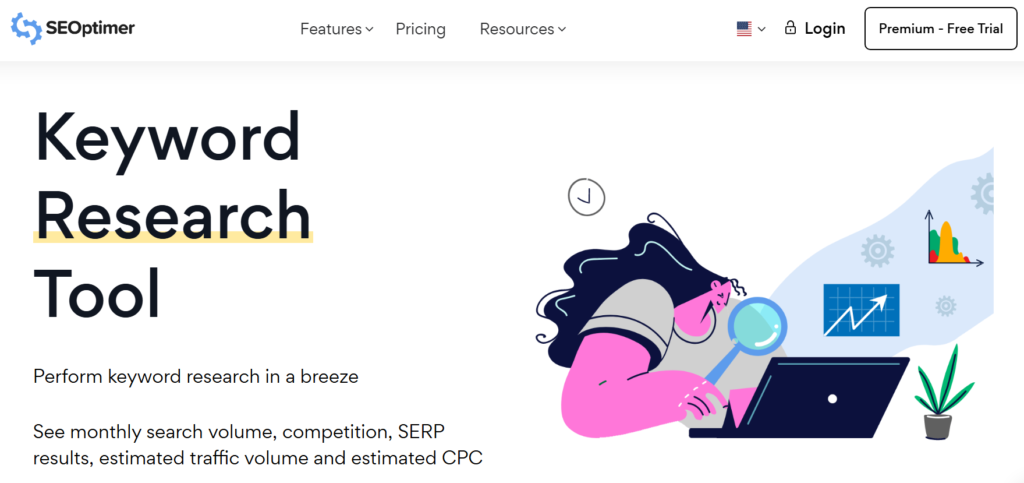
A great way to grow your list is by using a special tool to find SEO keywords. SEOptimer’s Keyword Research Tool gives very precise information about Google searches in more than 90 countries and languages.
You can use this tool to find new keywords and check how many people search for them each month, how hard it is to rank for them, and how much they cost per click on ads. Just enter a general word or phrase that relates to your business, or service.
For example, if you sell gift products online, your main keyword will be “birthday gifts”. So, add that to our keyword tool. The tool will create a thorough list of similar words.
You can look through this list for words related to buying and shopping, like “buy,” “best,” and “pricing,” to easily find the most helpful keywords for people who want to make a purchase. You can look at the search results for each keyword to see how tough the competition is and find out who is at the top.
People Also Ask Section
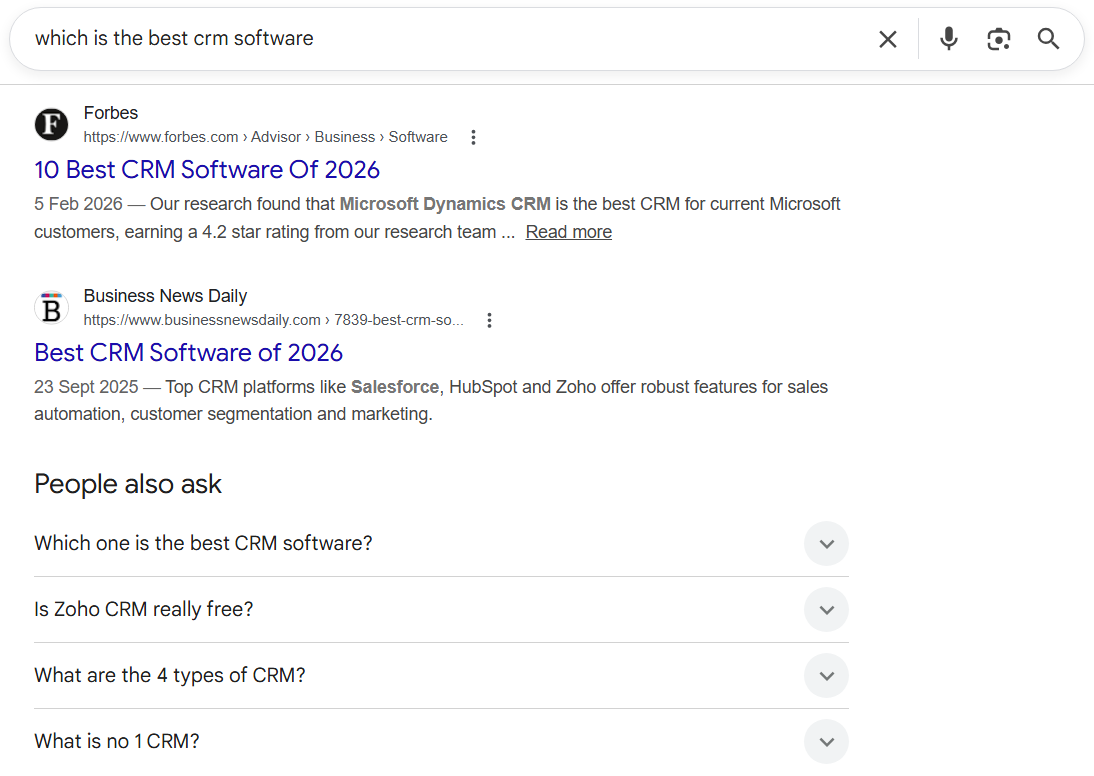
Google provides a long list of buying keywords for free on the search results page. The People Also Ask (PAA) section shows you what your audience is curious about. Type a word related to your product into Google and see the questions that appear in the PAA box.
For example, if you want to advertise your CRM for digital marketers. To do this, you can search for “CRM for digital marketers” on Google and check the questions in the PAA box.
The most important question for people looking to buy would be, “What is the best CRM for a digital marketer?” You can also write a blog post focusing on “How do CRMs help digital marketers?” Clicking on these questions will create even more related questions, giving you a never-ending list of specific buyer keywords.
People Also Search For
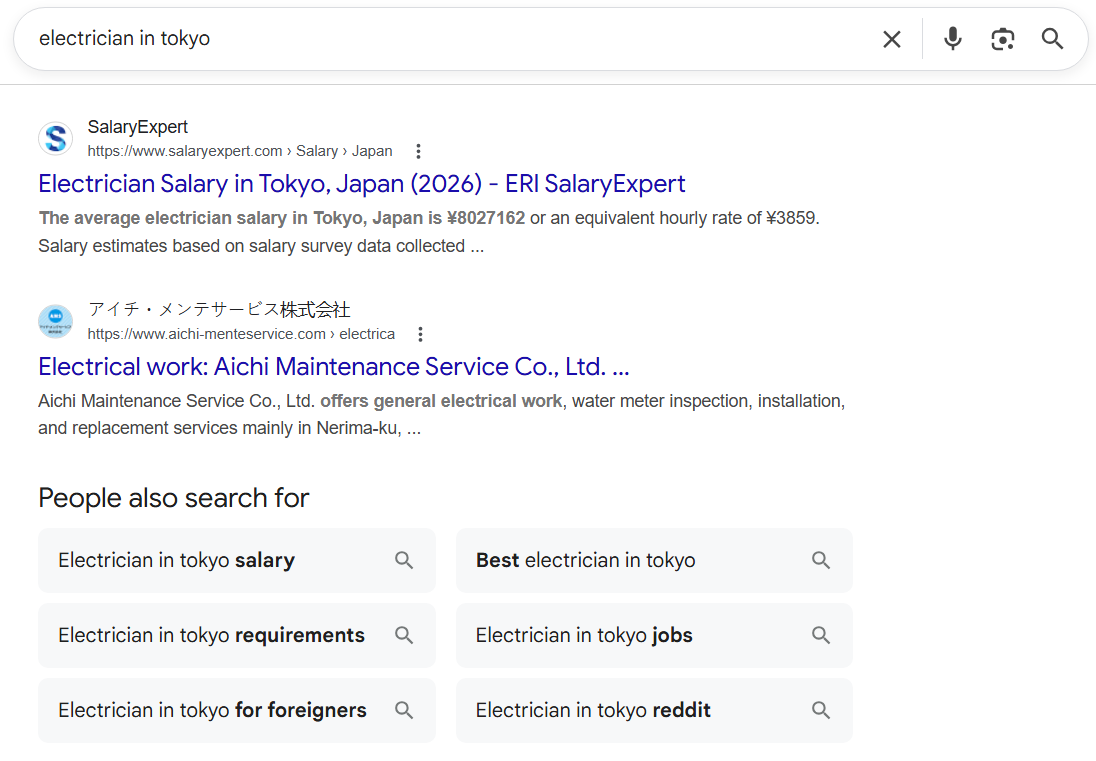
At the bottom of the results page in any Google search, you’ll see the “People also search for” section. Google uses smart algorithms to figure out which words are related to what you are searching for.
Let’s look at how local businesses can use these phrases to find keywords that show what buyers want. In this example, let’s imagine that you are an electrician in Tokyo. The main keyword for your business will be “electrician in Tokyo”.
If you type this into Google and scroll down, you’ll see other searches that are related to what you first looked for. You can notice some good keywords and searches from potential buyers that you can make pages for, like:
- Electrician prices in Tokyo
- Affordable electrician in Tokyo
- Top electricians in Tokyo
- Free estimate for electrician in Tokyo
These suggestions come from how real users act, so they are great to add to your list of buyer keywords.
Google Autocomplete
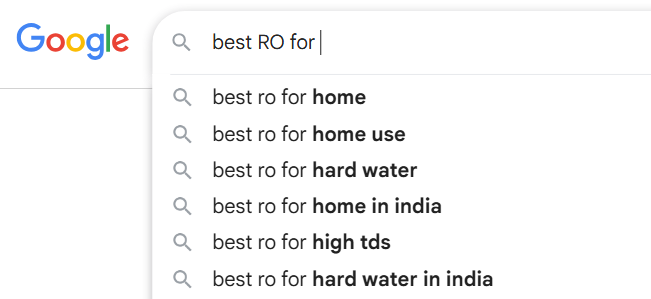
You can discover effective keywords before you even reach the search results page. Google Autocomplete tries to guess what you’re looking for by using common searches. Begin by typing the name of your product followed by a letter, or you can start your search with words like “best” or “buy”.
For instance, if you search for “best 5G mobiles,” Google might suggest finishing your search with “under 15k” or “for students”. This method quickly shows you the exact words buyers are using.
Google Keyword Planner
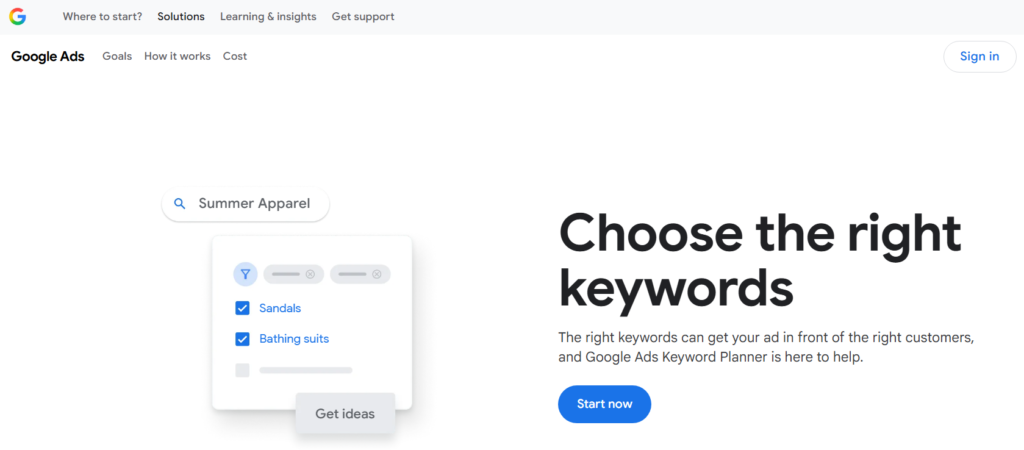
This is a free tool that anyone can use if they have a Google Ads account. Although it’s mainly made for paid search ads, it is also a helpful tool for finding organic keywords.
You can type in a general topic using the Discover new keywords tool found in the Tools section under Keyword Planner. The planner will give back lots of ideas, showing how many people are searching for them and how competitive they are.
To find what buyers want, just use the filter to add words like “discount,” “order,” “deal,” or “reviews. ” High CPC bids in Keyword Planner usually mean that buyers are serious about buying, since advertisers are ready to pay more for clicks that lead to sales.
Tips to Leverage Buyer Intent Keywords for Your Content
Understanding what buyer intent keywords are is one thing. However, the real skill is in using them well without sounding like spam. The important thing is to connect the keyword to what the page is about, not the other way around.
Use These Keywords on the Correct Pages
Not every page on your website needs to focus on strong keywords like “buy product X online” or “best price for [software]”. These keywords are for:
- Product pages
- Comparison pages
- Pricing pages
- Landing pages
For example, if someone looks for “CRM software trial,” they want to find a page that shows them the features, prices, and options to sign up, not a long blog post with 2,000 words.
Write for People, and Think About Keywords Later
You don’t have to say the same important words about what buyers want ten times to get a good ranking. Instead, try using different words and kind phrases like:
- Start using [product] today
- Begin your free trial
- Compare costs and plans
Search engines are smart enough to know what you mean even if you don’t use the exact words. Make sure the writing is easy to understand and read, so the important words will blend in naturally.
Match Your Content to Where the User Is
Buyer intent keywords mean that the person is about to make a choice. Your content should show that. Instead of saying what the product is, talk about:
- Why it’s the best option
- How it measures up to other options
- What users can expect to see
Add Keywords in the Right Places
You don’t have to put your keyword in every sentence. Pay attention to all the important parts such as:
- Title and meta description
- Opening paras
- Headings (H1 or H2)
- Product details or important parts
Support Buyer Pages by Linking Internally
Your informational content like blogs and guides should help users find your pages that are focused on selling to them. This helps users go from looking for information to making a decision without feeling pressured. For example:
- A blog post can connect to a page that shows products or prices
- An article that compares things can include a link to a signup page
Challenges in Ranking for Buyer Intent Keywords
Heavy Competition
Buyer intent keywords are very competitive because they attract people who want to buy something right away. This makes them very important, drawing in big companies that have strong reputations and lots of money for advertising. Small businesses often have a hard time because the top spots are taken by well-known websites.
Getting a good ranking takes regular effort in creating content, optimizing for search engines, and building links. The need to compete and what users expect means that even small SEO errors can cause you to get lost among your rivals. This makes it tough to stay visible in search results, and it’s something you have to keep working on.
- Competing against well-known brands that people trust
- More spending on SEO, content marketing, and getting links to make a difference
- New or small websites grow slowly because not many people can see them and they don’t have much credibility
- Problems with content, design, or technical SEO can really impact rankings when there’s a lot of competition
Keyword Intent Clarity
Not all search questions show that someone wants to buy something, even if they look like they do. Users may be looking up products, checking prices, or just exploring choices instead of being ready to buy. Misunderstanding what people want can create content that gets a lot of visitors but doesn’t make them take action.
To understand what people want, you need to do thorough keyword research, look at what your competitors are doing, and check features on search results pages. The content should match where the audience is in their buying process, which is more complicated than just focusing on popular keywords.
- Hard to tell the difference between people who are just looking at information and those who are ready to buy
- The chance of getting visits from keywords that bring people to your site but don’t lead to sales or actions
- Needs more advanced tools and plans to understand what people mean when they search for keywords
- Looking at what competitors are doing is important to see which goals they are successfully focusing on
Quality and Depth of Content
Buyer intent keywords require strong and detailed content that directly meets what the user is looking for. Simple or general content will have a hard time getting high rankings because crawlers prefer pages that offer more useful information. This usually includes comparing products, giving step-by-step instructions, or providing helpful information.
You usually need to spend money on good writing, images, or expert knowledge. Pages should not just give information but also convince people. They can do this by using proof like case studies, testimonials, or real-life examples. This is very important for attracting customers who are ready to buy.
- Needs detailed, well-researched information that answers all parts of the user’s question
- You need to show that you are knowledgeable, reliable, and trustworthy to get approval from crawlers and users
- Investing in creating good content, design, or getting help from experts is usually very important
- Pages that don’t meet a user’s needs when they’re deciding to buy are probably not going to do well
Optimization to Increase Conversions
Getting high ranks for keywords that show what buyers want isn’t just about getting more people; it’s about making them do some sort of transaction. Even if a page gets a high ranking, a bad user experience, or missing trust signals can stop people from making a purchase.
To make sure both crawlers and people like your website, you need to combine good SEO techniques with convincing writing, clear buttons to click, and an easy-to-use design. It’s important to test landing pages, watch how users interact with them, and improve different parts using A/B testing to get the best conversion rates.
- Needs a smart landing page design that helps get more sign-ups or sales while also being good for search engines
- Calls to action, proof that others trust you, and signs of trust should be easy to understand and convincing
- A bad user experience, slow page loading, or a confusing layout can significantly lower the number of people who complete a purchase
- Ongoing testing and using data to make improvements are important for keeping high conversion rates
Challenges in Backlinks and Authority
Websites that rank well for buyer keywords often have strong authority and good backlinks. These links show that the content is reliable and important. It’s hard for new or smaller businesses to compete with established websites because getting links takes a lot of time and careful planning.
Backlinks should come from good and related websites. If you don’t have authority, even well-made content might not beat well-known competitors in search results. To compete better, we need a steady plan that includes reaching out to others, working together with partners, and promoting our content through public relations.
- Good, relevant backlinks are important for building authority and trust
- Competitors usually have a lot of links pointing to their websites, which makes it hard for new websites to rank well
- Building links needs a good plan, reaching out to people, and ongoing effort over time
- If you don’t have enough authority, even great content might not be seen in search results
Final Thoughts
Understanding buyer intent keywords is important for businesses that want to attract specific customers instead of just getting random visitors. This helps them reach people who are actively looking for solutions. These keywords can lead to great results in sales and money, but they also present big challenges.
Businesses that carefully choose and use these keywords by understanding what people want, creating detailed and convincing content, making sure their websites encourage actions, and getting good links from other sites can stand out and do better than their competitors.
Also improving the content, and changing plans based on what users do helps keep success going.Buyer intent keywords are a way to draw in, involve, and turn good leads into customers effectively. When used the right way, they change digital marketing from just getting a lot of views to a strategy that looks at results and helps with growth.
FAQs
How can I find keywords that have buyer intent?
To find buyer intent keywords, you need to know how users search for things and sort their queries. Keyword tools can help you see how many people are searching for something, how much it costs to advertise, and how many other people are also trying to do the same thing. Look for words that show buying intent, such as “buy,” “discount,” “price,” or “best for”. Checking what your competitors use can help you find which words encourage people to make a purchase.
What is the difference between buyer intent and informational keywords?
Informational ones are when people want to learn something, like “how to tie a tie” or “what is a CRM system?” Buyer intent keywords show that someone is ready to make a purchase or take action, like “buy silk tie online” or “CRM software pricing”. The main difference is that informational keywords attract visitors, while buyer intent keywords lead to sales or sign-ups. Businesses need both kinds of keywords for a good plan, but they should focus more on buyer intent keywords for making money.
How tough is it to rank for buyer intent keywords?
Buyer intent keywords are very competitive because they focus on people who are ready to make a purchase. Well-known brands that are trusted in their field usually take the top spots in results pages, which makes it hard for smaller businesses to get noticed. To compete, you need good content, links from other websites, and regular updates. Also, advertisers often compete for these keywords in pay-per-click ads, which makes prices go up.
Are long-tail keywords better for what buyers want?
Yes, long-tail keywords usually show that someone is ready to buy because they are very specific. For example, someone might search for “buy waterproof hiking boots size 10”. These keywords usually have less competition, which helps smaller businesses to rank higher. Long-tail keywords bring in very interested visitors who are more likely to make a purchase. Although fewer people might search for specific terms compared to broader ones, these specific terms can lead to more sales or actions.
What are typical errors people make when trying to find buyer intent keywords?
Common mistakes are concentrating only on how many searches a topic gets instead of why people are searching, making content that doesn’t help with buying choices, neglecting ways to improve sales, and not appreciating the importance of getting links from other websites and building trust. Also, if you focus only on putting keywords in your text without thinking about user experience, how fast your page loads, or having convincing content, it can lower your sales.