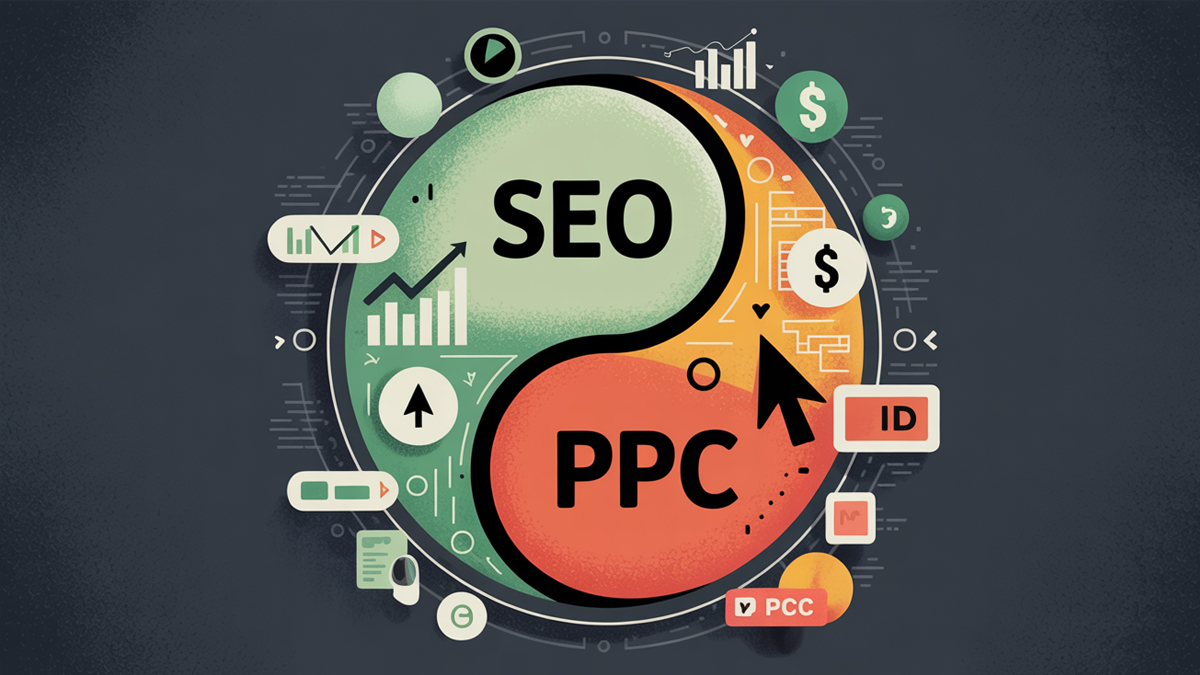
In today’s competitive online world, you can’t just use one way to market anymore. SEO and PPC are usually thought of as different methods. However, when you use them together, they can work really well and give better results than using them separately.
SEO helps your website get noticed in the long run, while PPC brings in immediate visitors and lets you try out different ads fast. They look at both short-term and long-term goals, providing a steady plan for ongoing growth.
SEO and PPC can share information and ideas, help each other do better, and make sure your brand stands out in the results pages. Being in both free and paid listings helps build trust, credibility, and encourages more people to click on your links.
If you’re introducing a new product, growing your brand, or getting better leads, using SEO and PPC together can help you do better than your competitors and make the most of your online marketing money, and we will see how to achieve that in this post.
What are SEO and PPC?
SEO is the process of making your website better so it shows up higher in results pages without paying for ads. PPC (Pay-Per-Click) is a type of paid advertisement that shows up on results pages, usually above or next to the regular search results. Both want to be seen more, but they do it in very different ways.
- SEO helps bring in steady natural traffic over time by improving the content, layout, and technical aspects of a website.
- PPC gets quick results by showing your ads to specific people on Google Ads and similar sites.
- SEO traffic is free when someone clicks on your link, while in PPC you have to pay every time someone clicks on your ad.
- When used together, they offer both fast results and lasting growth, helping to cover each other’s weaknesses.
Why Use SEO and PPC Together?
Many businesses see SEO and PPC as two different plans, but using them together can lead to better results. SEO helps you grow your online presence over time, while PPC gives you quick and targeted results. By working together, they can improve results on all online platforms, helping you get more attention, visitors, and useful information.
Get More Space on Search Results
Using SEO and PPC together helps you take control of the results page. When your website shows up naturally in search results because of SEO and also appears in paid ads, your brand takes up more space on the page.
Having a bigger presence makes it easier for people to see you and can significantly raise the chances that users will click on you. Even if someone skips the ad and clicks on the natural search result, or vice versa, you have still gotten their attention.
Having both listings can also make your brand more trustworthy, as people might think your business is more reliable and important. This plan also pushes competitors lower on the page, making it harder for people to see them and visit their sites.
In very competitive industries, where each click is important, having a bigger presence on the results page leads to more chances for people to interact, make purchases, and earn more money.
Balance Short and Long-Term Goals
SEO takes time, but PPC gives quick results. When used together, they help you create a balanced marketing plan. SEO can take a long time to bring in a lot of visitors, but once it works, it can keep bringing in traffic without spending much money.
PPC can bring in specific visitors right from the start, making it great for new product launches, seasonal sales, or filling in the gaps while SEO gets better. Bringing the two together helps you achieve both quick and long-lasting goals.
For instance, SEO helps you become more trusted and improves your rankings over time, while PPC brings in leads and sales immediately. This two-part plan keeps traffic moving smoothly and helps you get the most out of your marketing money.
It also provides flexibility: if rankings change because of algorithm updates, PPC can serve as a backup. SEO and PPC work together to help your business grow strong and last for a long time.
Share Ideas Between Channels
SEO and PPC are different, but they can help each other by sharing information and insights. PPC campaigns quickly show how well keywords are doing, how many people are clicking, and how users are acting.
These insights can help shape your SEO plan by showing you which keywords will likely bring in more customers for your content. In the same way, SEO data shows long-term search habits, which content is working best, and how much people interact with it.
This information can help improve PPC ad writing, landing pages, and targeting methods. Working together across different channels helps you make better decisions and improves how well your campaigns perform for everyone involved.
For example, if a keyword does well in paid ads but is not easily found in search results, you can focus on it in your SEO work. Also, high-quality organic content can help create good ads.
Beat the Competition
In a competitive online world, using both SEO and PPC together helps you stand out. Many businesses depend only on one way to reach customers, but using both methods helps you reach more people and stay competitive.
When your brand shows up in both paid and free search results, it makes you more visible and pushes your competitors lower in the results pages, reducing their chances of getting clicks. This combination helps people remember your brand, trust it more, and makes them more likely to pick your business instead of others.
You can keep an eye on what your competitors are doing in paid and free search, and then use that information to do better than them. If a competitor is ranking higher than you in results pages, you can pay for those keywords to get more visitors.
If they’re advertising, you can work on SEO to get free clicks as time goes by. Using SEO and PPC together makes your plan more flexible and strong, helping you stay ahead in the market.
More Visibility and Better Sales Conversion
Using SEO and PPC together helps you show up more in important searches. When your website shows up in both the paid ads and the regular search results, people are more likely to trust and connect with your brand. Having a presence in two places results in more clicks, more successful sales, and better overall results.
- Build trust by being visible in different places on the page, which helps users see that your brand is reliable and well-known.
- Get more clicks by owning both the ad spots and the natural search results.
- Support different ways people act, some ignore ads, while others believe in them. With both, you’re protected no matter what.
- Make leads better by customizing landing pages and content to fit what users are looking for on both channels.
Also Read: How to Save Your Business from the Ill Effects of Ad Hijacking?
Improved Keyword and Conversion Data
Using SEO and PPC together lets you get more detailed performance information. PPC campaigns show which words make people buy and which ads they like the most. SEO can be changed to focus on successful keywords and topics for lasting benefits, helping both areas get better over time.
- Use PPC to check how well keywords work, and then use that information to improve your SEO content plan.
- Improve your page titles and descriptions by using the best words from your ads to get more people to click on your site.
- Find the queries that bring in a lot of customers and focus on them in both SEO and PPC advertising to improve results significantly.
- Find negative keywords and missing content to save money and improve SEO pages.
Enhanced Brand Recognition
SEO and PPC are not only about getting clicks, they’re also great ways to make your brand more visible. Showing up in both ads and regular search results helps people see your brand more often, making it seem more familiar and reliable. Seeing the brand many times helps people remember it, especially in industries with a lot of competition.
- Appear several times on one results page to boost brand awareness and credibility.
- Use branded ads to keep your name safe and guide people to the correct web pages.
- Make sure the messages for SEO and PPC match up to give users a smooth and memorable experience.
- Improve retargeting by including both channels in larger remarketing campaigns.
Dominating the SERP
Being in both paid ads and regular search results helps you take over the results page and push your competitors lower down. This complete view helps your business stand out and lets you manage what users see and experience better.
- Take top spots in search results to get more attention and make it harder for competitors to be seen.
- Build several ways for people to connect with your brand before they click on anything. This helps them recognize and trust you more.
- Create ads and natural content that meet different needs of users, like when they want information or when they want to buy something.
- Cut down distractions by giving people fewer reasons to click on a competitor’s link or ad.
Better Quality Score on Google Ads
This score depends on how good your landing page is, how relevant your ad is, and how likely people are to click your ad. SEO is very important because well-optimized pages make it easier and better for users. This means your PPC ads are cheaper and work better because SEO is helping out in the background.
- Make landing pages faster, easy to use on mobile, and relevant to help boost rankings and ad ratings.
- Make sure the content on your page matches what’s in your ads to keep people interested and lower the chances of them leaving right away.
- Improve your Quality Score to reduce your cost per click and increase how often your ads are seen, all without spending more money.
- Use SEO methods like linking to other pages on your site and organizing your data to boost interest and sales.
Shared Ideas and Aligning Strategically
When the SEO and PPC teams work together, the entire marketing plan gets better. What we learn from PPC campaigns can guide our SEO efforts, and how well our organic content does can improve our paid ad targeting. Bringing both channels together helps make better campaigns overall.
- Use headlines that have been tested to create SEO titles that get more clicks.
- Use SEO content information in PPC campaigns to find new keywords and ideas.
- Share information about people and their behavior from PPC to make SEO content more specific.
- Make a simple report for both channels to see how they work together and improve your plan.
Also Read: How To Run Successful PPC Campaign
Best Practices for Using SEO and PPC Together Effectively
Use PPC to Validate SEO Options
PPC gives you quick feedback, which makes it a great place to test your SEO ideas. Before spending a lot of time and money on making long articles or starting a full SEO plan, try out your important keywords with paid ads first.
Keep track of which ad headlines get the most clicks and which landing pages work the best. This information can help you improve your SEO. It can guide you in picking the best topics and improving your titles and descriptions.
If some keywords don’t do well in pay-per-click ads, it’s a sign they probably aren’t good to focus on for SEO either. Also, try different action prompts, titles, and page layouts in your PPC ads.
The versions that work well with paying audiences can be changed for free content, making it more interesting and increasing the chances of getting responses or sales. This test-first method makes sure your SEO plan is based on how real users act. It saves you time and helps you make content that works well right from the start.
Make Unified Landing Pages
Keeping your paid ads and free search results consistent helps strengthen your brand and build trust. Make sure your SEO content and PPC ads have the same style and message.
They should include similar tones, benefits, calls to action, and important points. This alignment makes sure that users have a smooth experience, whether they discover you from a regular blog post or an ad that they paid for.
Also, make landing pages that work for two things: they should be good for search engines (with a clear layout, important words, and quick loading) and designed for ads (clear focus, meant to get people to take action, and fast-loading).
If you’re advertising something or promoting a service, make sure the message is the same in both your ads and natural search results. This combined method makes the customer experience smoother, boosts quality scores for PPC ads, and helps improve SEO rankings.
Combine Keyword Strategies of Both Channels
Begin by doing a single keyword research that works for both SEO and PPC. Find important keywords that many people search for and group them into two types: short-term keywords for PPC and long-term keywords for SEO.
Use PPC data to quickly find out which keywords lead to sales, and focus on those for your SEO content. On the other hand, keep track of which natural keywords are bringing visitors to your site, and think about paying to advertise on those keywords to increase the visibility in results pages.
This method makes sure people can see the message and keeps it the same everywhere. To prevent competing against yourself, decide together which keywords to focus on for free searches and which ones to use for paid ads.
Matching your keyword strategy leads to smarter spending, better targeting, and easier content planning, which results in a higher return on investment from both free and paid search.
Share Performance Data
Frequently share information between your SEO and PPC teams to make both strategies better. PPC gives up-to-date information about how well keywords are doing, CTRs, bounce rates, and user actions, which can help improve SEO efforts.
For example, if a PPC ad is getting a lot of results from a certain keyword, use that keyword to help create your SEO content. In the same way, SEO data shows which pages are getting good rankings, attracting links, and keeping visitors.
This information can help improve and adjust PPC ad text and landing page plans. Create shared dashboards with tools like Google Data Studio or Looker to keep track of performance overall.
Set up regular meetings to review our best assets, identify missed chances, and decide what needs improvement in both channels. By looking at SEO and PPC as connected instead of separate, you will create a system where each method helps the other.
Improve SERP Visibility and Retargeting Efforts
Once your SEO and PPC campaigns are running, work on dominating the search results and using retargeting effectively. A good combined strategy makes sure your brand shows up several times in results pages, through ads, natural listings, site links, or special highlighted snippets.
Having a bigger presence helps people trust you more and makes it more likely that they will click on your site, no matter where they find it first. Also, use PPC ads to reach back out to people who visited from search engines but didn’t make a purchase.
You can show them personalized ads on search and display websites to keep your brand in their thoughts and encourage them to come back. This kind of retargeting makes it easier for customers to make a purchase and can greatly increase profits.
Combine this with grouping your audience and changing the content to show users offers that matter to them based on where they are in their experience. Your main goal is not just to be seen, but to be consistently present in a smart way, making sure your audience finds your brand whenever they look for it.
Wrapping Up
Using SEO and PPC together isn’t just a good idea, it’s a way to get ahead of your competition. By using both channels together smoothly, you gain more understanding, reach more people, and provide a more consistent and better experience for users.
SEO helps you be seen online for a long time and builds your reputation, while PPC lets you quickly reach specific goals, fill needs, and adjust on the spot. When strategies work together, they don’t just sit side by side, they make each other stronger.
Using shared keyword information, consistent messages, teamwork on campaigns, and ongoing testing helps improve results for everyone. Companies that use SEO and PPC together as one plan, instead of treating them separately, are more likely to grow, change, and succeed in their markets.
If you want more visitors, better sales, or higher profits, using these two methods together makes sure you’re not just seen, but hard to miss. The best digital strategies today don’t choose one over the other, they use everything.
FAQs
Why should I use SEO and PPC together instead of just picking one?
Using both SEO and PPC helps you show up more in results pages. SEO takes time to show results, but it provides long-term benefits and credibility. PPC helps you get noticed quickly and shows results fast. Combining the two gives you the benefits of both: steady organic traffic and quick, focused outreach. This helps you collect more information, make your plan better quickly, and rank higher in search results.
Will SEO and PPC fight for the same traffic?
No, they work well together. When your website shows up in both paid ads and free searches, it makes it more likely that people will click on it. Research shows that people are more likely to trust and click on a brand that shows up in both parts of the search results page. Even if you use some of the same keywords, strategic coordination helps avoid competing with each other and makes sure both channels are aimed at the same goals without repeating efforts.
Is it okay to use the same landing pages for SEO and PPC?
Not all the time, but they must be aligned. SEO pages usually have a lot of information and are organized to be easily found by search engines. PPC landing pages are designed mainly to get visitors to take action, with fewer distractions. But both should have the same message, branding, and user experience. Sometimes, using a mix of methods is effective, creating a landing page that works well for both free and paid visitors, especially when you test different versions and keep improving it.
How can I calculate the total ROI for SEO and PPC together?
To measure combined ROI, you need to keep an eye on shared KPIs like total website visitors, conversions, cost to gain a customer, keyword rankings, and total revenue contribution. Use CRM systems to see how both channels help in the customer journey, whether it’s the first time they find you, or if they got help from other sources before converting. Making combined dashboards and tracking methods helps you see the complete value of each channel and how they all work together to achieve results.
When should I focus on PPC instead of SEO, or the other way around?
Focus on PPC when you need quick results, like during product launches, seasonal sales, or while waiting for SEO to improve. It’s helpful for trying out new markets or keywords. Focus on SEO to build trust, make your brand more visible, and grow traffic steadily over time. It’s best if both things happen at the same time, but changing focus depending on business goals and deadlines helps use resources better and grow more strategically over time.